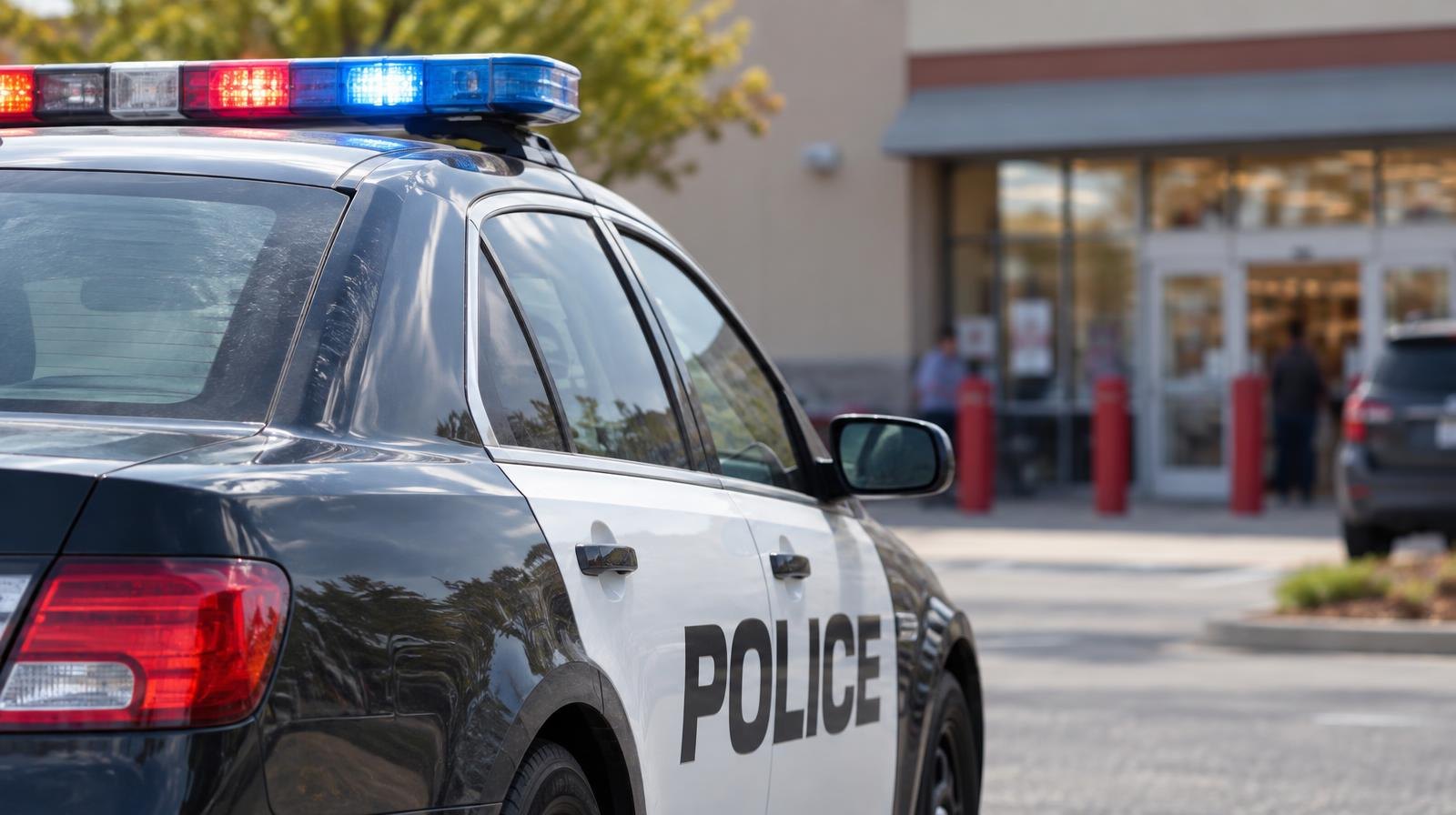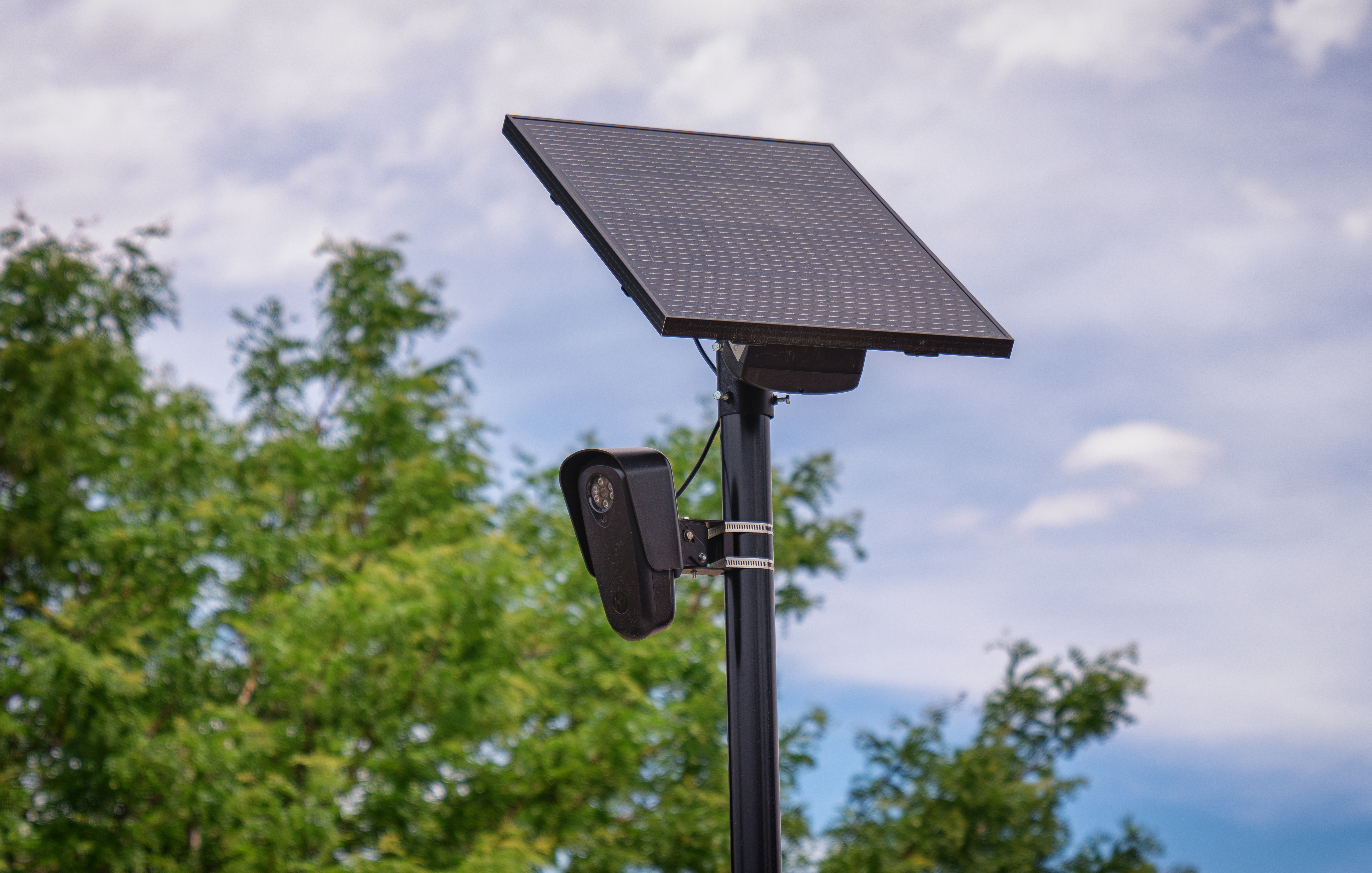
Oklahoma City will keep its 90 license plate reader cameras for another year after the City Council voted 5-3 Aug. 18 to renew a $270,000 contract with Flock Safety, overruling nearly 30 speakers who all urged the council to let the deal expire, according to the Oklahoma Gazette.
Mayor David Holt voted yes alongside council members Bradley Carter, Katrina Avers, Todd Stone and Matthew Hinkle. Council members James Cooper, JoBeth Hamon and Camal Pennington voted no. Ward 8 Councilman Mark Stonecipher did not vote; two outlets reported him absent while a third reported he abstained.
The renewal extends the city's relationship with Flock through June 30, 2027, marking a third consecutive year of automated license plate reader cameras on Oklahoma City streets. But the new contract includes privacy guardrails that did not exist before: data retention drops from 30 days to seven, OKCPD will opt out of Flock's national database, and the department will block immigration-related and reproductive-rights searches. The city, not Flock, now holds sole authority to share data with federal agencies.
The tighter terms came after an Oklahoma City officer was suspended three days without pay and placed on year-long disciplinary probation in June for using Flock data and other police records for personal purposes over five months in 2024 and 2025. Resident Jarrett Freeman obtained the disciplinary documents through a public records request and shared them with KOSU.
More than an hour of opposition
Before the vote, the council heard more than an hour of public comment. All speakers opposed the contract, citing constitutional concerns, questions about the cameras' accuracy and a national backlash against Flock in other cities. Speakers represented a cross-section of political backgrounds, including members of LGBTQ advocacy group Freedom Oklahoma and the conservative-libertarian Young Americans for Liberty.
Resident Tabrina Alexander told the council the $270,000 price tag was not justified given unresolved concerns about the technology.
OKCPD Chief Ron Bacy delivered a presentation before the vote, saying the system has helped recover 1,280 stolen vehicles, locate 210 missing people and aided in 60 murder cases. He noted the department also flags abnormal search patterns through a continuous AI audit and conducts additional manual reviews every 30 days.
Bacy acknowledged the city owns 90 cameras but said businesses operate roughly 100 additional Flock cameras within city limits. Data from those privately owned cameras is available to OKCPD on request but is not subject to the new contract's privacy rules.
Dissenters speak out
Ward 2 Councilman James Cooper invoked the 1995 Oklahoma City bombing in his opposition, noting Timothy McVeigh was caught through traditional police work after being pulled over for having no license plate.
Ward 6 Councilwoman JoBeth Hamon said it deeply concerned her that privacy measures were not a priority for Flock before public pressure mounted. She cited Evanston, Illinois, where Flock reinstalled cameras after the city sent a cease-and-desist letter ordering their removal.
Ward 4 Councilman Todd Stone, who voted yes, said his own stolen car was recovered with the help of camera technology. None of the other yes-voting council members offered public comments explaining their votes, according to KOSU.
ACLU praises guardrails, maintains opposition
ACLU of Oklahoma executive director Tamya Cox-Touré praised the new limits while maintaining the organization's opposition to the contract overall. "The safest way for cities to protect residents' personal data is to never collect it," Cox-Touré said in a statement.
The contract will be up for renewal again next year. No specific date for the next vote or public comment period has been announced.