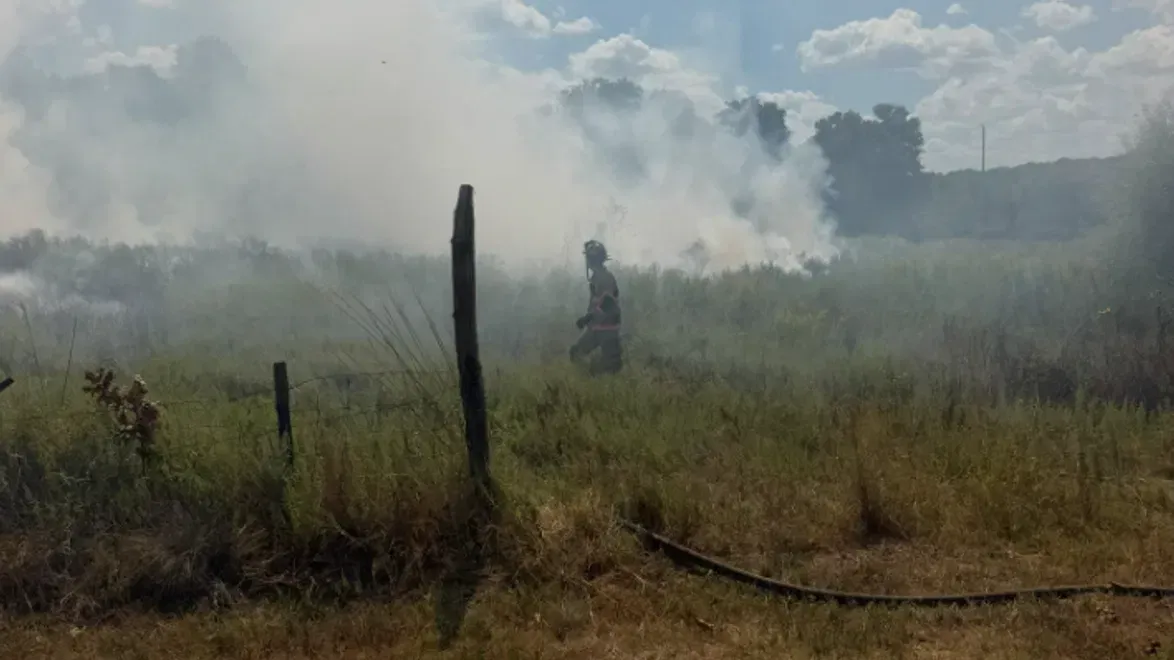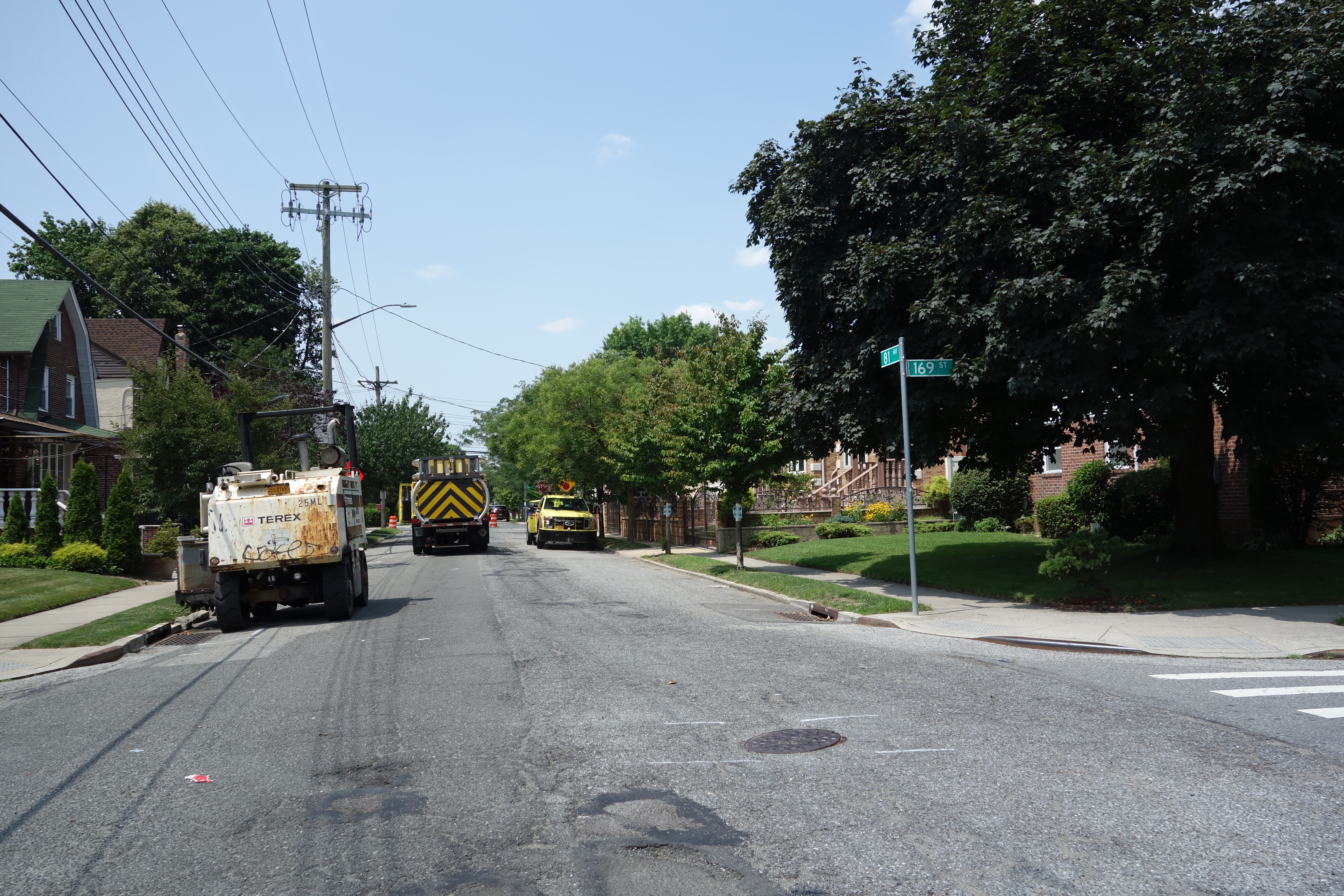
Oklahoma City hit 100 degrees or higher on 23 days in August, and the workers pouring concrete and paving roads had no state heat-safety law backing them up.
The city's average temperature for the month was 88 degrees, 7.3 degrees above normal, tying the record set in 1980 for the third-hottest August, according to News 9. The hottest day reached 109 degrees on Aug. 18. Nationally, the summer of 2026 was the warmest on record for the contiguous United States in 132 years of data, according to the National Oceanic and Atmospheric Administration.
The Emergency Medical Services Authority (EMSA) had issued its sixth heat alert of the year by Sept. 8 and responded to 398 heat-related illness calls. Of those, 276 people were taken to hospitals, KFOR reported.
Oklahoma is one of 23 states with no law regulating heat-safety standards for workers in either the public or private sector, according to KOSU. The state relies entirely on the federal Occupational Safety and Health Administration (OSHA), whose recommended heat-safety standard carries no mandate and has not been updated in a decade.
Estimated deaths far exceed official count
A two-year NPR and Boston University investigation built a statistical model covering nearly every U.S. county. It estimated that heat contributes to about 9,000 deaths nationally each year, five times the official CDC average. In Oklahoma, the CDC reported an average of about 23 heat-related deaths per year over seven years. NPR's model put the estimate at roughly 89 per year. In Oklahoma County, the CDC averages about six per year; NPR estimated closer to 19.
No state law, stalled federal rule
Forrest Bennett, a former state lawmaker and president of the Oklahoma AFL-CIO, told KOSU the federal General Duty Clause that requires employers to keep workplaces free of recognized hazards is too vague to enforce meaningfully.
"It's written in such a way that anybody can kind of mold it to say what they need it to say," Bennett said.
At least two bills to create state-level heat-safety standards have failed in the Oklahoma Legislature, Bennett said. One, House Bill 4084, would have required employers to provide heat-safety training in a language workers understand.
OSHA proposed a federal heat-safety rule in August 2024 but the effort has stalled with no target date. In April 2026, OSHA renewed its National Emphasis Program for heat-hazard prevention, a five-year enforcement directive targeting 55 high-risk industries, according to a legal analysis by Ogletree Deakins. The Oklahoma Department of Labor has issued safety warnings throughout the year identifying outdoor workers and construction crews as being at the highest risk.
Bond projects add scale
The city's $2.7 billion bond package, approved by voters in October 2025, includes 547 projects. Of those, 433 are street, bridge and traffic improvements, according to the city's announcement. Construction begins in 2026 and runs through about 2036.
Joel Viezcas, owner of Integrity Safety, a consulting firm that helps contractors develop safety plans, told KOSU he has seen heat cause illnesses, heat stress and strokes on job sites. He said measures range from building a worksite safety culture to providing temporary cooling systems, but language barriers and entrenched attitudes remain obstacles.
Bennett said the scale of upcoming construction is a reason for concern, noting that tight deadlines on large projects can push crews harder in dangerous conditions.
Workers can reach OSHA's heat-safety line at 1-800-321-OSHA (6742).