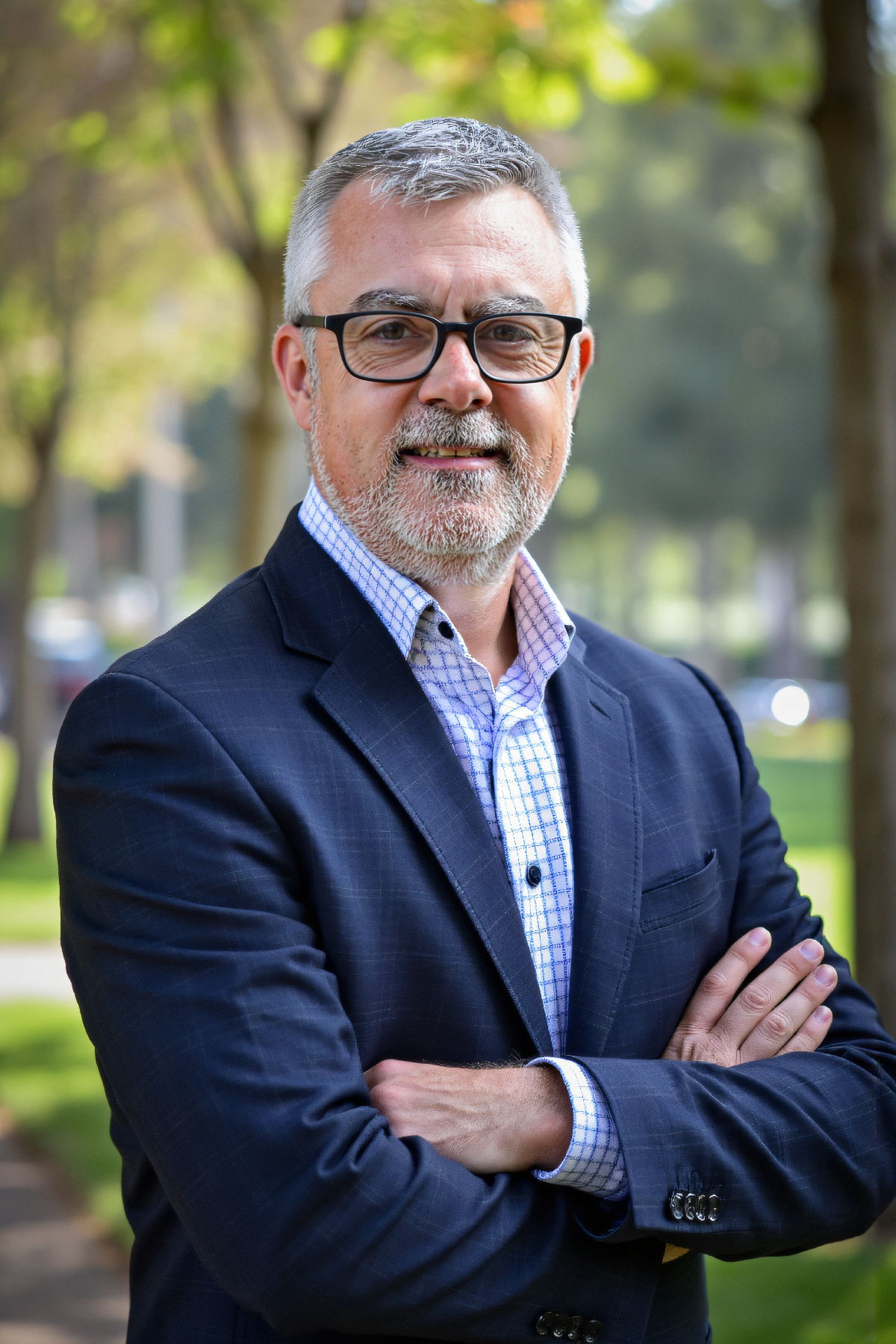
World Neighbors holds "An Evening With World Neighbors" on Thursday, Nov. 5, from 6 to 8 p.m. at St. Luke's Methodist Church, 222 NW 15th St., in Oklahoma City.
Attendees can meet new president and CEO Timothy Prewitt, board trustees and others who have visited World Neighbors projects in Nepal, Kenya, Peru and the other 11 countries where the organization works. They can describe their experiences and what lies ahead for the 75-year-old organization.
Prewitt became president and CEO in August, according to the organization's leadership page.
Prewitt brings nearly 30 years of experience in global development, food systems and humanitarian relief. He previously led The Hunger Project and iDE (International Development Enterprises), two organizations focused on ending poverty and hunger. He also founded Kairos, an advisory practice helping donors direct philanthropic giving, according to The Journal Record, which first reported the appointment.
Beth McLaughlin, World Neighbors board chair, said Prewitt is "the right person at the right time to further strengthen our programmatic success and financial strength," the Journal Record reported.
Founded at an Oklahoma City church
Dr. John L. Peters, a World War II chaplain and professor at Oklahoma City University, founded World Neighbors on April 22, 1951, at St. Luke's United Methodist Church in Oklahoma City. Peters had served as the church's interim pastor, according to the Oklahoma Hall of Fame.
A young soldier died in Peters' arms during the war, and he vowed to build a more peaceful world, according to the organization's 2024 annual report. That conviction led him to deliver a sermon titled "Let's Deal with Basic Issues" that launched a grassroots movement, according to the organization's history page.
Since 1951, more than 29 million people in 45 countries have been reached through World Neighbors programs, according to the organization's website.
A holistic approach in 14 countries
World Neighbors operates in 14 countries across Africa, Asia, Latin America and the Caribbean. The organization does not give away food or material aid. Instead, it takes a holistic approach, training communities to develop their own solutions to hunger, poverty and disease.
The organization works with rural communities for an average of eight to 10 years, according to its annual report. Programs focus on sustainable agriculture, rural livelihoods, natural resource management, community health and gender equity.
The staff is lean. Four employees work from the United States, and 35 field employees work in the countries where programs operate. About 60 local partner organizations help train thousands of volunteers and leaders.
World Neighbors forecast a 2026 budget of $3.5 million, according to a CEO job posting published earlier this year. The organization holds Charity Navigator's four-star rating, GuideStar's Platinum status and an A rating from CharityWatch, according to its annual report.